
Suit Fit & Alterations

Bring the fit into focus.

A suit you already own may only be a few adjustments away from fitting the way you want. The right work depends on the garment, how it's made and the result you're after.

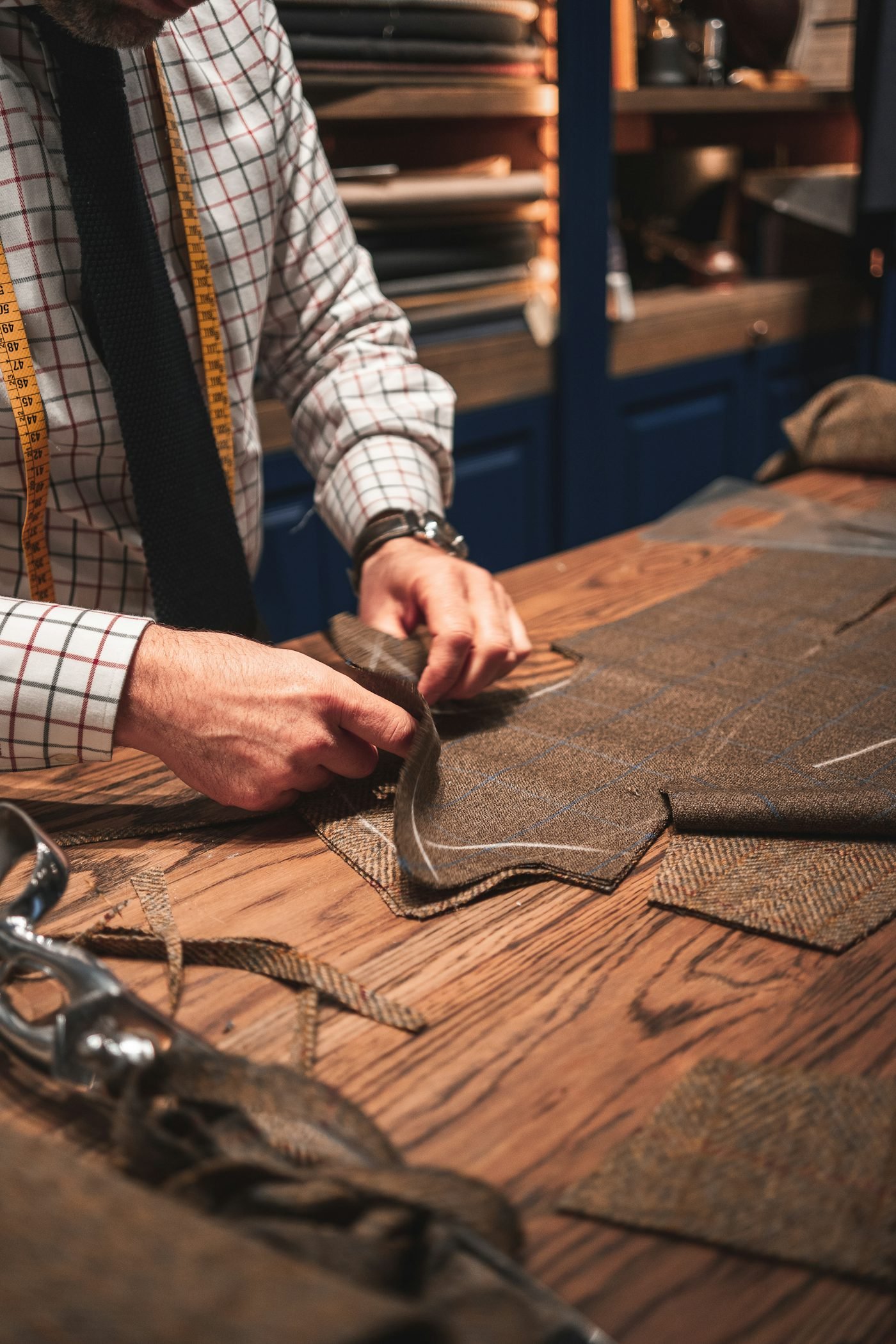
Hands working with suiting fabric and a paper pattern on a wooden table
Fig. 01 Cloth, pattern and hand

The purpose of alterations

Four things every request considers.

Alterations exist to close the gap between how a garment fits and how you want it to fit. Getting there means looking at more than a tape measure.

  1. 01

    The garment

    Its style, its condition and how it is meant to be worn all set the starting point.

  2. 02

    The construction

    How a suit is made, and how much fabric is available in the seams, influences what can be adjusted.

  3. 03

    The fit

    Where the garment pulls, gapes or hangs shows where attention is needed.

  4. 04

    The result

    Knowing what you want to look and feel like guides which changes make sense.

Areas to discuss

Where fit usually comes up.

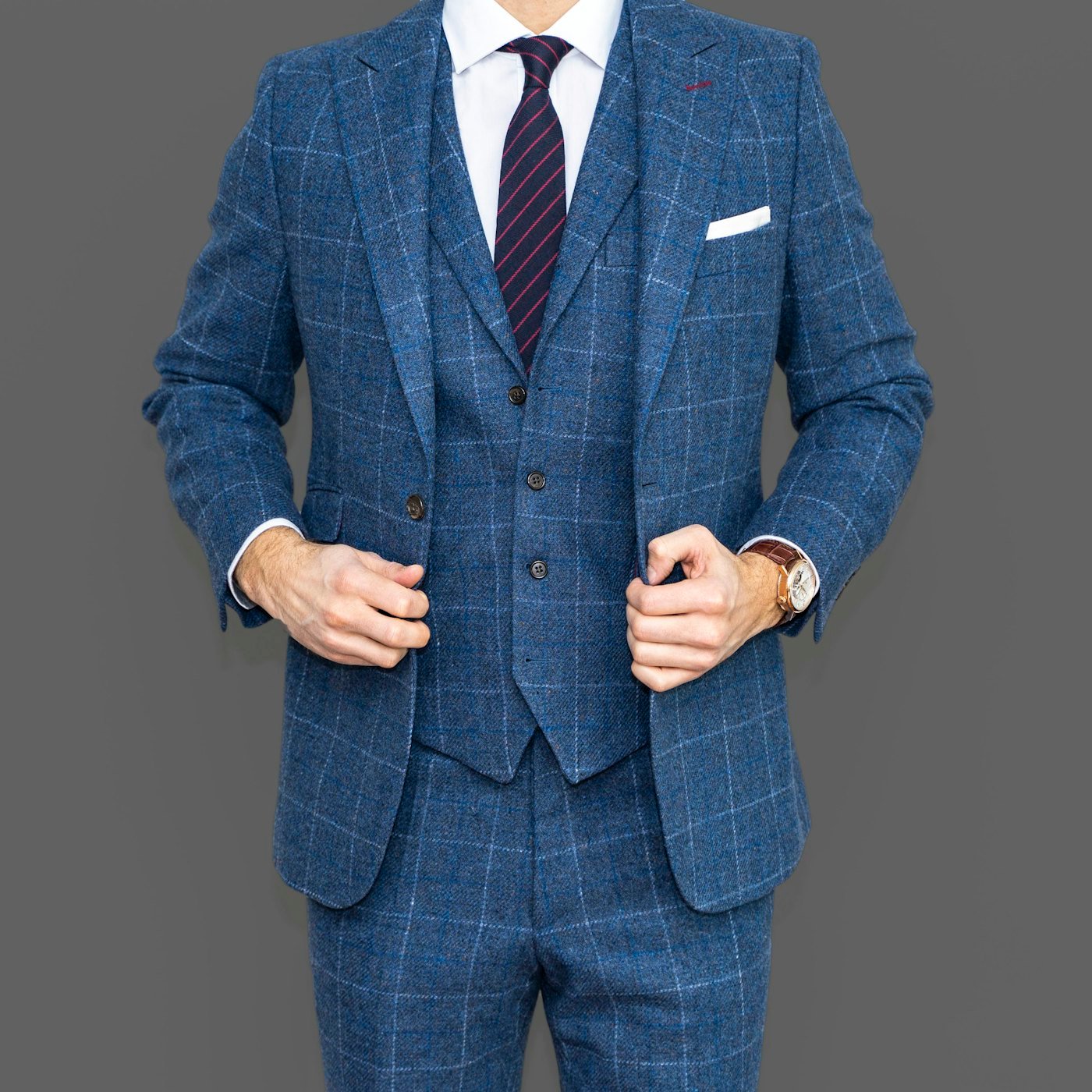
Man holding a patterned suit jacket over one arm
i.

Jacket fit considerations

A jacket that feels loose through the body, pulls when buttoned or sits awkwardly at the back can often be discussed. The shoulder area is the most structured part of a jacket, so changes there are especially dependent on the garment.

Worth mentioning: where it pulls, where it feels loose, and how it feels when buttoned.

Man in a black suit walking, showing the length and line of his trousers
ii.

Sleeve & trouser length

Length is one of the most common reasons to alter a suit. Sleeves that cover the shirt cuff and trousers that pool at the shoe are worth bringing up, along with how much break you prefer.

Worth mentioning: the shoes and shirts you usually wear with the suit.

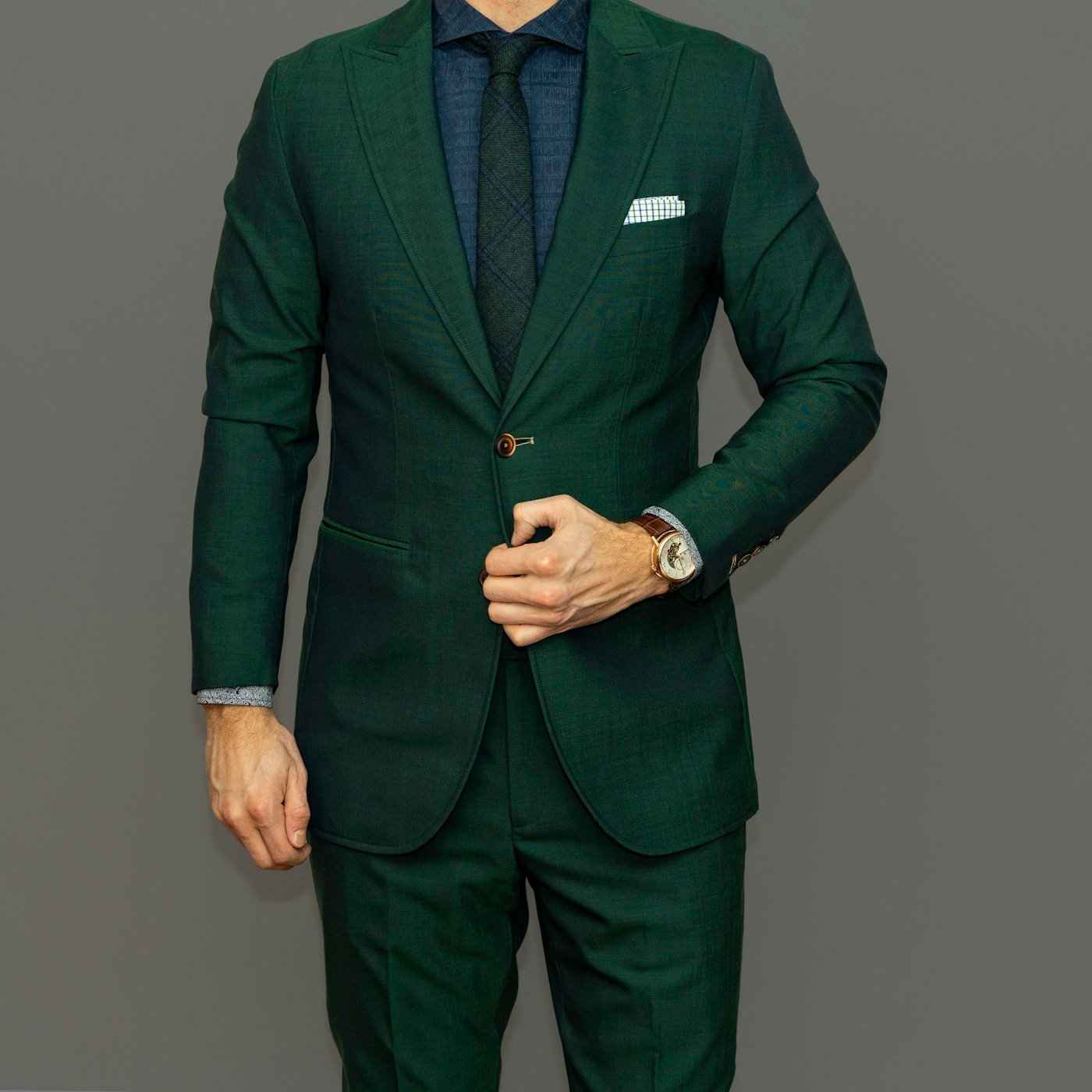
Man in a fitted green suit with a dark tie and pocket square
iii.

Waist & silhouette

The waist of a jacket and trousers shapes the silhouette more than almost anything else. Whether you want a closer line or more comfort, it is worth describing how the suit feels today and how you would like it to feel.

Worth mentioning: whether it feels tight when seated, or loose when standing.

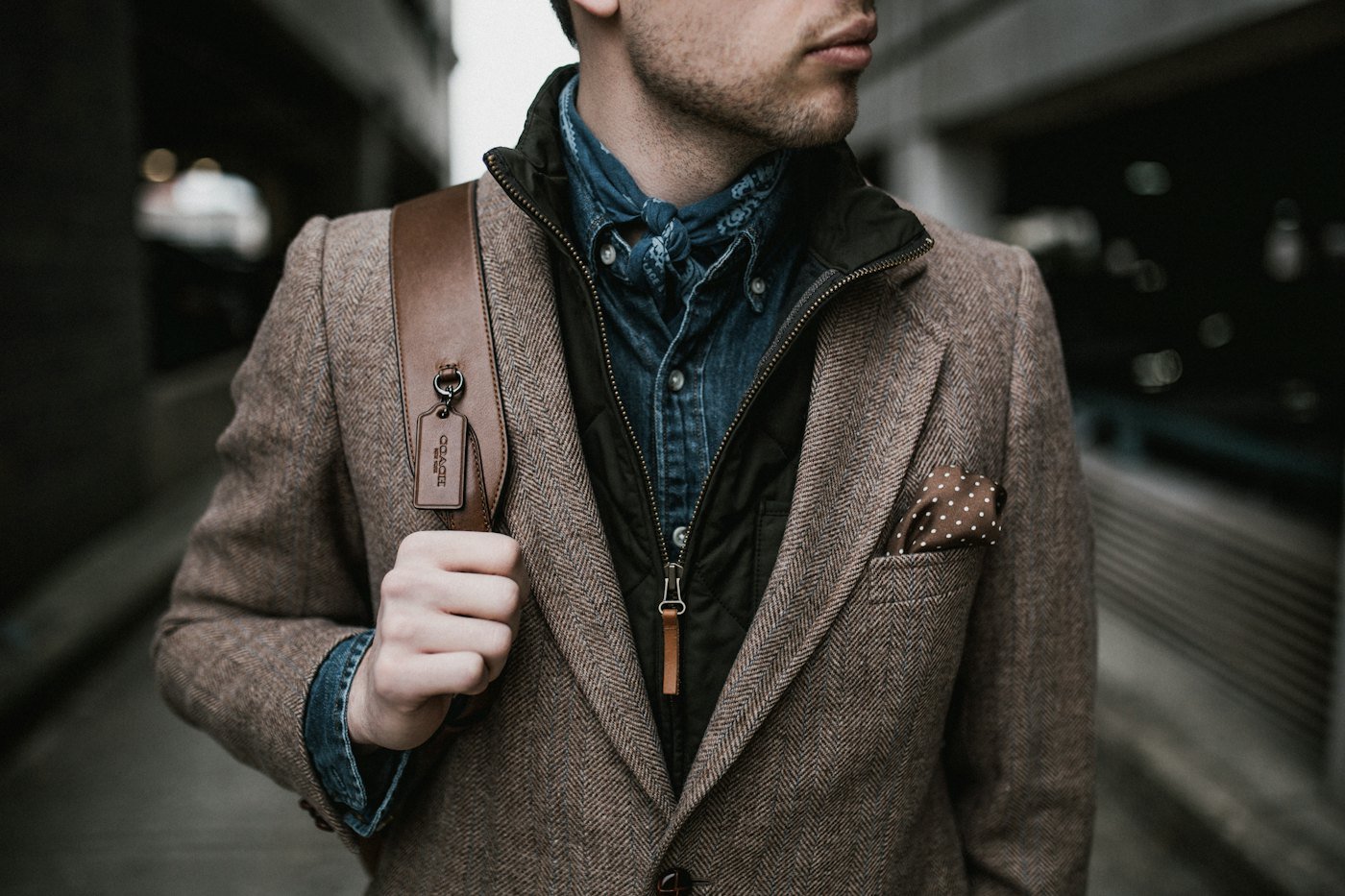
Man wearing a brown tweed jacket with a scarf and pocket square
iv.

Garments you already own

A suit bought off the rack, a jacket that has served you well for years, or a piece that no longer fits the way it used to may all benefit from a second look. Its age, fabric and condition are part of the conversation.

Worth mentioning: anything you know about how the garment was made or previously altered.

Getting ready

Preparing a garment for assessment.

  • Make sure it's clean

    A clean, pressed garment shows its true shape and makes fit easier to judge.

  • Bring the shoes

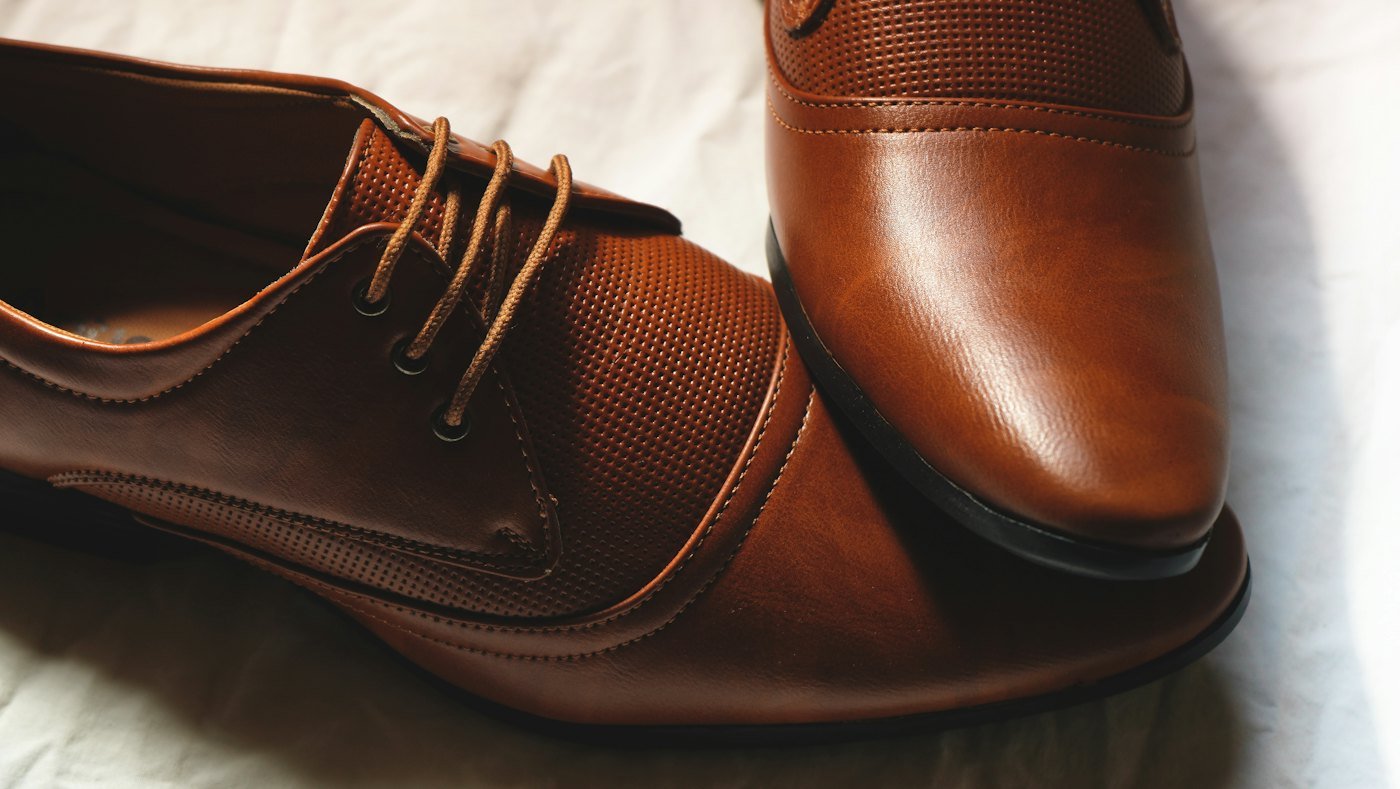
    Trouser length depends on the shoe, so bring the pair you plan to wear.

  • Wear a suitable shirt

    Sleeve length is judged against the shirt cuff. Wear or bring the type of shirt you'll pair with the jacket.

  • Empty the pockets

    Wallets and phones change how a jacket and trousers hang.

  • Know your date

    If you are working towards an event, mention it early so timing can be discussed honestly.

Polished brown leather oxford shoes
Fig. 02 The shoe sets the hem

Every garment is different

Not every alteration suits every suit. The honest answer comes from looking at the garment.

The suitability, scope and timing of any work should be discussed directly with Trenzo Designs. Prices and turnaround are not listed here because they depend on the garment and the work involved.

Suit alterations

Tell us about the garment.

Describe the suit and what you'd like to change. We'll discuss whether the work is suitable and what it would involve.