Shoulder & jacket fit
The shoulder is the foundation of the jacket. It affects how the chest, back and sleeves hang. Look for a jacket that sits cleanly, without pulling across the back or collapsing at the edge of the shoulder.

Men's Suit Tailoring
A well-tailored suit works with your build, your posture and the way you move. It starts with understanding what you want from the garment.
Discuss Your SuitFit & silhouette
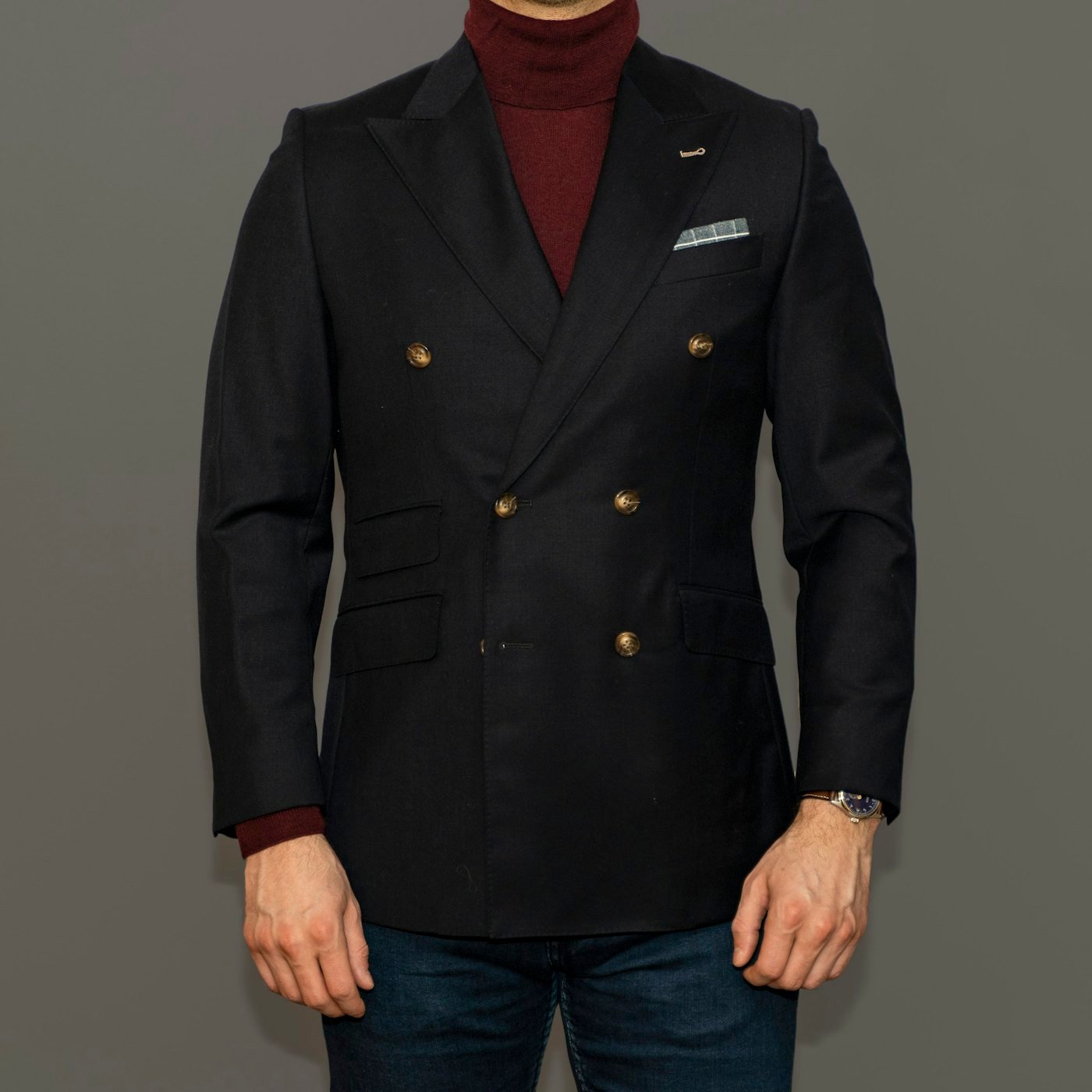
Before anyone notices the cloth or the color, they read the silhouette: the line from shoulder to waist, the length of the jacket, the way the trousers fall.
Some people prefer a close, contemporary line. Others want a softer drape with more ease. Neither is wrong. Good tailoring is about finding a silhouette that suits your build and matches how you want to present yourself.
What shapes the fit
These are the areas most worth discussing when you bring a suit in or describe what you want. What can be adjusted depends on the individual garment.
The shoulder is the foundation of the jacket. It affects how the chest, back and sleeves hang. Look for a jacket that sits cleanly, without pulling across the back or collapsing at the edge of the shoulder.
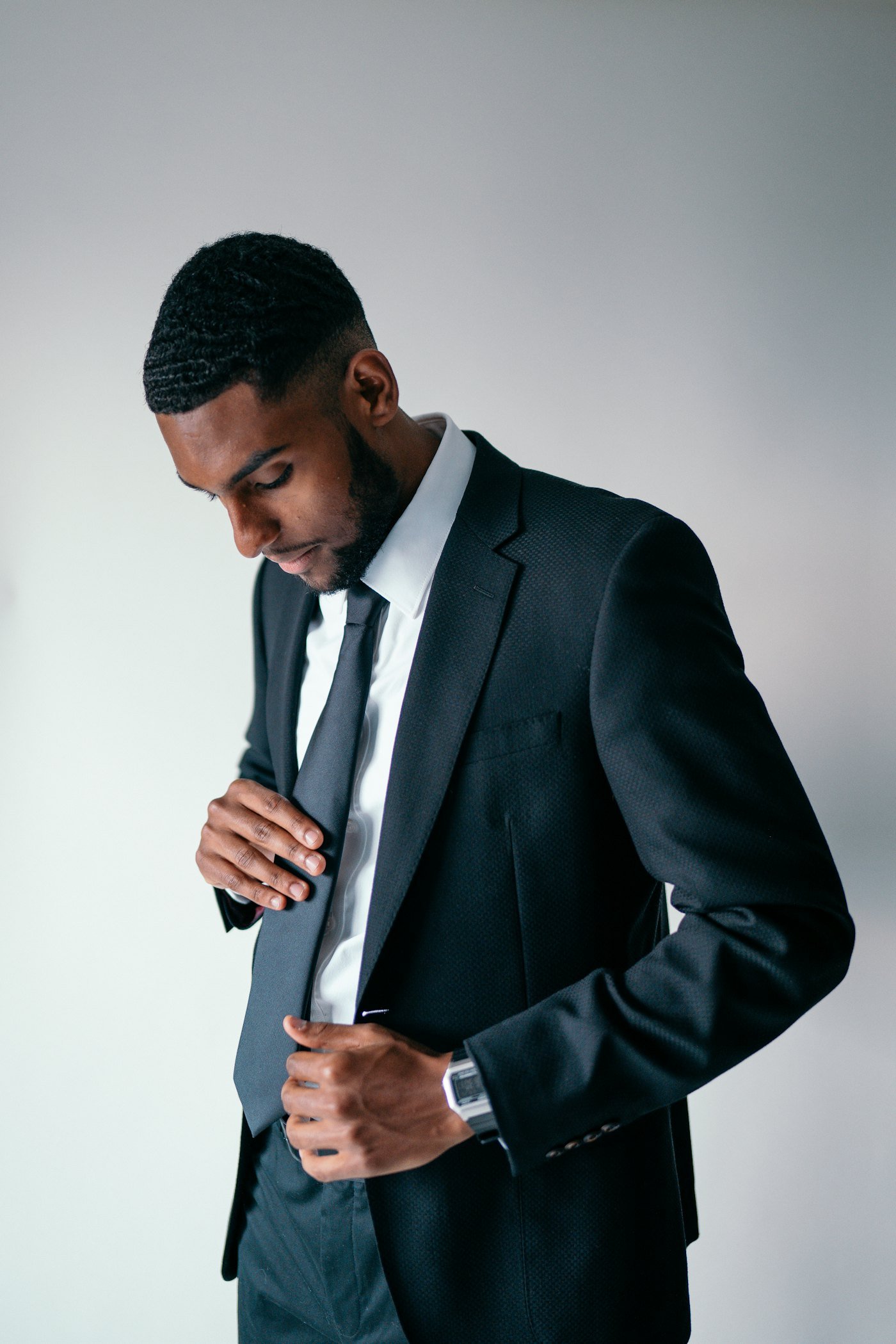
Sleeves and trousers frame the rest of the suit. Their lengths, and how they relate to each other, have a large effect on how balanced you look.
A suit that looks perfect while you stand still but restricts you when you sit or reach is not a good fit. Think about the movements your day involves.
How much shirt cuff you like to show, whether you prefer a trouser break, how close you want the jacket to sit. These choices make the suit yours.
General fit considerations
These are general points of fit to look at in any suit. They are not a list of guaranteed services; whether and how a garment can be adjusted is always discussed individually.
The shoulder seam should sit near the natural edge of your shoulder, with the sleeve hanging cleanly from it. Divots, ripples or a seam that overhangs are all worth pointing out.
Jacket length influences how long your legs look and how balanced the suit appears. Traditional and contemporary preferences differ, so it helps to know which you lean towards.
Many people like a small amount of shirt cuff to show beneath the jacket sleeve. Sleeves that cover the cuff completely, or sit too high, change the whole impression.
The break is how the trouser hem meets the shoe: no break, a slight break or a fuller one. Bring or wear the shoes you'll pair with the suit so the length can be judged properly.
Finally, step back. A suit works when the jacket, sleeves and trousers feel in proportion with each other and with you. Balance matters more than any single measurement.
Before your consultation
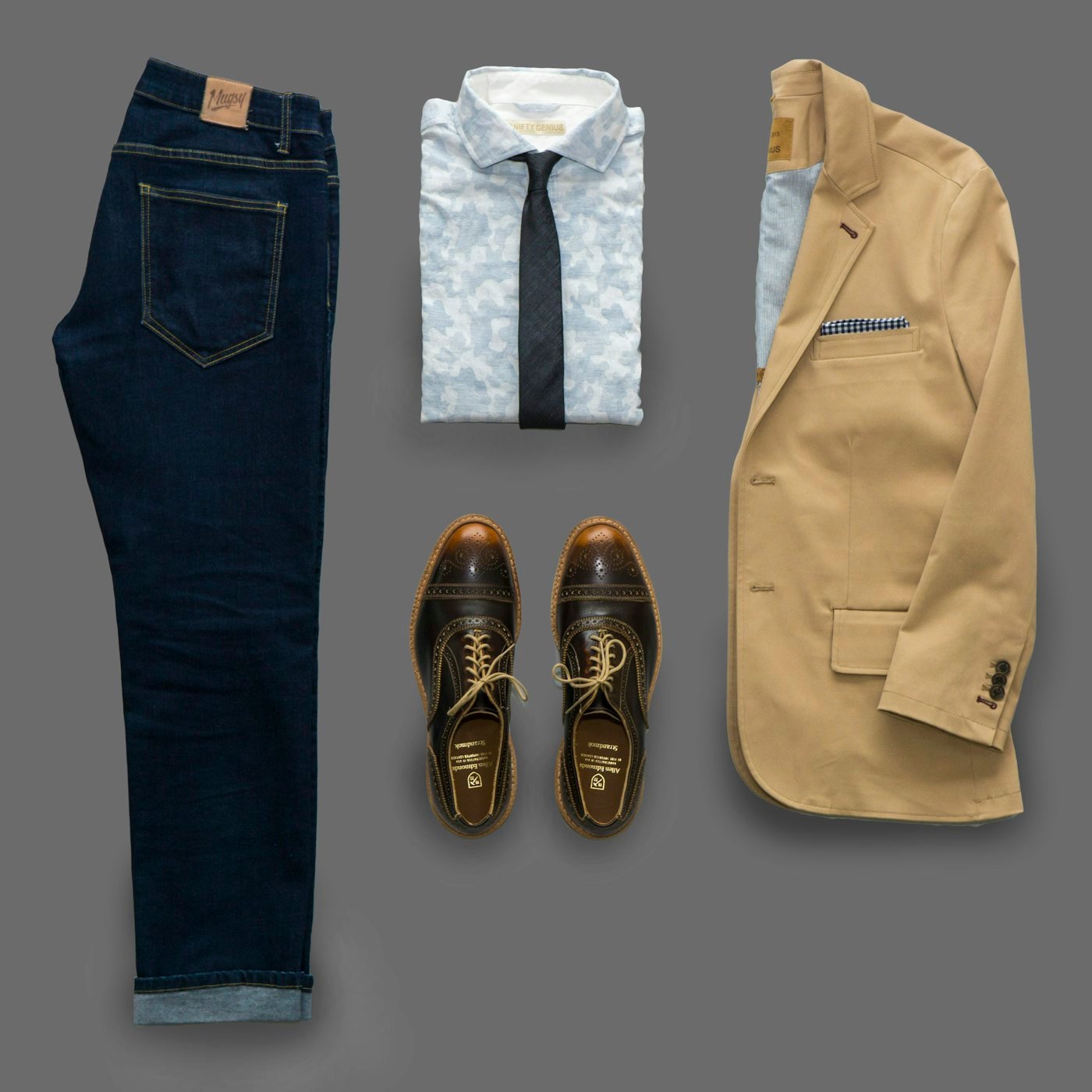
If you are discussing a garment you own, bring it with you. A clean, pressed suit makes the fit easier to assess.
The shirt and shoes you plan to wear with the suit affect sleeve and trouser lengths. Bring them or wear them.
Pulling across the back, sleeves that feel long, a waist that is too loose: small notes help a lot in conversation.
Is this for everyday work, a single event or both? Knowing how the suit will be used helps shape the right approach.
Photos of fits or styles you admire are a quick way to describe a look that can be hard to put into words.
Men's Suit Tailoring
Share the garment, the fit you want and any date you're working towards. We'll take it from there.